AAC Blocks: Pros and Cons of the Popular Building Material
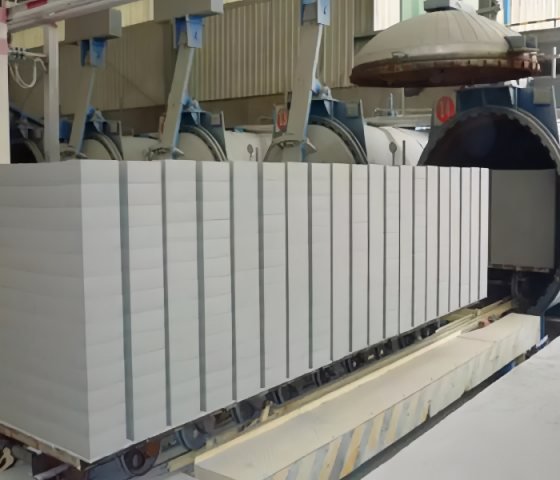
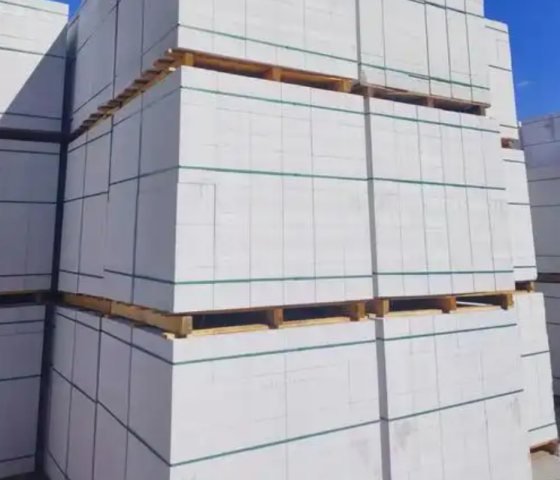
In the ever-evolving construction industry, AAC (Autoclaved Aerated Concrete) blocks have emerged as a game-changer, revolutionizing how we build residential and commercial structures. Made from a mixture of cement, lime, sand, water, and an aerating agent, these lightweight blocks offer a host of benefits that traditional building materials like red bricks struggle to match. However, like any construction material, they come with their own set of limitations. Let’s dive deep into the advantages and disadvantages of AAC blocks to help you make informed decisions for your next project.
Key Advantages of AAC Blocks
AAC blocks stand out in the construction sector due to their unique properties that address modern building needs—from efficiency to sustainability. Below are their most prominent benefits:
1. Exceptional Lightweight Design
The most notable advantage of AAC blocks is their ultra-lightweight nature, weighing only one-third to one-fourth of traditional clay bricks. This characteristic significantly reduces the structure’s dead load, translating to two core benefits: lower foundation costs (since lighter structures require less robust foundational support) and simplified on-site operations. Workers can easily carry multiple blocks at once, speeding up construction timelines and reducing labor fatigue. Check this page to find how to produce AAC blocks.
2. Superior Thermal Insulation
AAC blocks feature a porous structure filled with tiny air bubbles, acting as a natural thermal insulator. This property stabilizes indoor temperatures year-round: keeping spaces cool in summer and warm in winter. Buildings using AAC blocks require 30% less energy for heating and cooling compared to brick structures, leading to lower utility bills and a smaller carbon footprint—aligning with global energy efficiency goals.
3. Excellent Soundproofing Performance
The air pockets within AAC blocks effectively absorb sound waves, minimizing noise transmission between rooms or from external sources. This makes them ideal for residential buildings, offices, hotels, and urban constructions where noise pollution is a major concern. The soundproofing capability creates quieter, more comfortable living and working environments without the need for additional sound-dampening materials.
4. Eco-Friendly and Sustainable
In today’s green construction landscape, AAC blocks are a top choice for sustainability. They utilize industrial by-products like fly ash (a waste product from coal-fired power plants) as raw materials, reducing landfill waste. Additionally, their manufacturing process consumes 50% less energy and water than traditional brick production, making them an environmentally responsible alternative that supports circular economy principles.
5. Strong Fire Resistance and Durability
AAC blocks are non-combustible and can withstand high temperatures for up to 4 hours, significantly enhancing a building’s fire safety. They are also resistant to mold, mildew, and termite attacks, eliminating the need for frequent maintenance. This durability ensures long-term structural integrity, reducing replacement and repair costs over the building’s lifespan.

Notable Disadvantages of AAC Blocks
While AAC blocks offer numerous benefits, their inherent properties and application requirements present certain limitations that require careful consideration:
1. Low Water Resistance
The same porous structure that enables thermal insulation makes AAC blocks highly absorbent. Without proper sealing or protection, water absorption can lead to dampness, efflorescence (white salt deposits), and even structural damage over time. Mitigation requires extra care during installation—such as using water-resistant mortars, applying external cladding, or adding waterproof coatings—adding to project complexity and costs.
2. Limited Load-Bearing Capacity
Compared to traditional bricks or concrete blocks, AAC blocks have lower load-bearing capacity. They perform well for non-load-bearing walls but are unsuitable for load-bearing structures like columns, beams, or foundations. This restricts their use in high-rise buildings or structures requiring heavy load support, often necessitating additional reinforcement or alternative materials for critical components.
3. Higher Initial Cost
AAC blocks are generally more expensive than clay bricks, both in material and installation costs. Their lightweight and porous nature demand skilled labor for precise cutting, fitting, and handling—skilled workers command higher wages than those for traditional bricklaying. While long-term energy savings may offset this initial investment, the higher upfront cost can be a deterrent for budget-conscious projects.
4. Brittleness and Fragility
AAC blocks are prone to cracking, chipping, or breakage if not handled carefully during transportation or installation. Improper cutting, drilling, or rough handling can compromise their structural integrity. Additionally, their fragility makes them less suitable for areas prone to seismic activity unless reinforced with steel or other materials—adding extra steps and costs to construction.
AAC blocks are a versatile, innovative building material that excels in lightweight construction, energy efficiency, soundproofing, and sustainability. They are an excellent choice for modern, eco-friendly projects where thermal comfort, fire safety, and environmental responsibility are priorities. However, their limitations—low water resistance, limited load-bearing capacity, higher initial cost, and fragility—must be evaluated against a project’s specific requirements.
By weighing these pros and cons, you can determine if AAC blocks align with your construction goals. With proper installation techniques, protective measures, and complementary materials for critical areas, AAC blocks can deliver long-lasting, high-performance results that balance functionality, sustainability, and cost-effectiveness. If you want to know how to produce AAC blocks, please check out this link: https://aacblockmanufacturingplant.com/
… Read More